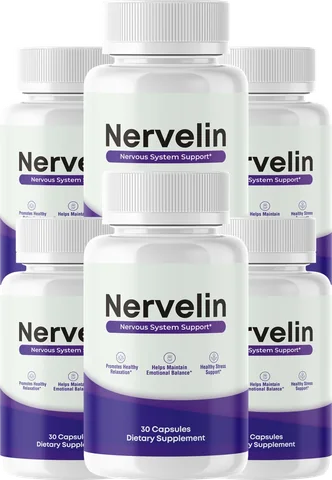
The Nervelin™ label lists six ingredients: Ashwagandha Root, Passionflower Extract, Magnesium Glycinate, L-Theanine, Rhodiola Rosea and Vitamin B Complex. The brand does not list an amount for each one, so this guide sticks to what each ingredient is, where it comes from and how it appears on a label.
Meet the six names · Two roots, one flower · A mineral form, an amino acid and a vitamin group · How to read the panel · Putting the lineup in context
- Six named ingredients: two roots, one flower extract, one amino acid, one mineral form and a vitamin group.
- Amounts are not listed, so no numbers are implied here.
- Plant sources and nutrient sources appear side by side.
- Reading the order and names on a label takes about a minute.
Meet the six names
Short ingredient lists are easy to love, because you can actually read them. The six names printed for this formula are Ashwagandha Root, Passionflower Extract, Magnesium Glycinate, L-Theanine, Rhodiola Rosea and Vitamin B Complex. Each one has a different origin, and together they form a mix of botanicals and nutrients.
The capsule itself is plant-based, and the brand states that the formula is non-stimulant with no caffeine. That makes this a tidy list to study line by line. Think of it as a short cast of characters: three plants, two amino-acid-based names and one family of vitamins. Knowing who is on the list is the first step to understanding any product, and it takes less time than reading a restaurant menu.
- Ashwagandha Root
- Passionflower Extract
- Magnesium Glycinate
- L-Theanine
- Rhodiola Rosea
- Vitamin B Complex
Two roots, one flower
Three of the six come straight from plants. Ashwagandha Root and Rhodiola Rosea are named for the underground part of the plant they come from, while Passionflower Extract is made from a climbing vine that carries striking, intricate blossoms. The word "extract" on a label generally means the plant material has been processed to concentrate certain components.
You will see this kind of wording on many botanical products. The practical takeaway is simple: "root" points to the part of the plant used, and "extract" points to a prepared form. Passionflower, for example, is a vine native to the Americas, so seeing it on a panel tells you the family of plant even before you look it up. Each of the plant names has a long botanical record you can read about independently, which makes the list easy to research.
Ready to start your routine?
Nervelin: a once-daily capsule, one a day with a full glass of water, with a 60-day money-back guarantee.
Order Nervelin NowA mineral form, an amino acid and a vitamin group
The other three are nutrients rather than whole plants. Magnesium Glycinate is the mineral magnesium joined to glycine, an amino acid, and foods such as pumpkin seeds, almonds and spinach are familiar dietary sources of magnesium. L-Theanine is an amino acid found naturally in tea leaves. Vitamin B Complex is a group name, covering the family of B vitamins rather than a single compound.
Seeing the chemical-sounding names does not need to be intimidating. Each simply tells you what the ingredient is, and the NIH Office of Dietary Supplements publishes friendly fact sheets if you want to read about any nutrient in depth.
How to read the panel
Start at the top of the panel and read the serving size, then the ingredient names in the order printed. Compare what you see with the brand's own description on the formula page. Where an amount is not listed, as here, the sensible move is to avoid inventing one and to rely on the names alone.
It also helps to separate what the label says from what the brand states. The bottle's three statements, Promotes Healthy Relaxation, Helps Maintain Emotional Balance and Healthy Stress Support, are stated by the brand. They are positioning, not a lab report, and the ingredient list is a separate piece of information. Keeping those two ideas apart makes you a sharper reader of any bottle you pick up, not only this one.
Putting the lineup in context
An ingredient list is only one chapter of a daily routine. Hydration, movement, breathing and a calm evening wind-down shape most of your day, and the capsule is meant to sit inside that rhythm. The brand's direction is one capsule daily with a full glass of water, ideally in the morning, at the same time each day.
For a broader picture of the product, the introduction to Nervelin and the benefits overview pair well with this article. You can also review the FDA dietary supplements page for general information on how supplement labels are structured in the US.