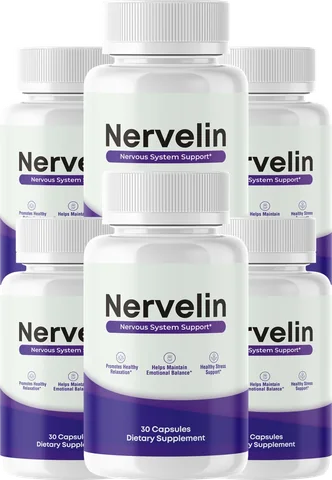
Magnesium shows up in many everyday foods, especially pumpkin seeds, almonds, cashews, spinach, black beans, edamame, avocado, oats and whole-grain bread. Building meals around these ingredients is simple: add seeds to breakfast, beans to lunch and greens to dinner. The USDA FoodData Central database lists exact amounts, and a daily Nervelin™ capsule can be one part of a broader routine.
Where magnesium appears on the plate · A shopping list by food group · Breakfast, lunch and dinner ideas · Snacks and small swaps · Food first, supplements as one part of a routine
- Seeds, nuts, legumes, leafy greens and whole grains are the main food sources.
- Small swaps, such as oats for refined cereal or brown rice for white, add up across a day.
- Look up exact values in the USDA FoodData Central database.
- Food comes first; a capsule like Nervelin is one part of a wider routine.
Where magnesium appears on the plate
Magnesium is a mineral found naturally in plants and in some other foods. It is not exotic, and you do not need a special diet to meet it on your plate. If your plate includes seeds, nuts, beans, leafy greens and whole grains, you are already eating foods that contain it. The NIH Office of Dietary Supplements' Office of Dietary Supplements publishes a detailed fact sheet that lists common sources and typical serving sizes.
For exact numbers on any ingredient, search the USDA FoodData Central database. It is free and lets you compare foods side by side.
A shopping list by food group
Use this list as a starting point for your next grocery trip, and pick two or three items from each group. Rotate items through the week to keep meals interesting.
- Seeds: pumpkin seeds, chia seeds, sunflower seeds, hemp seeds
- Nuts: almonds, cashews, Brazil nuts, peanuts
- Legumes: black beans, edamame, chickpeas, lentils
- Greens: spinach, Swiss chard, kale
- Whole grains: oats, brown rice, quinoa, whole-wheat bread
- Others: avocado, banana, dark chocolate, plain yogurt, salmon
Ready to start your routine?
Nervelin: a once-daily capsule, one a day with a full glass of water, with a 60-day money-back guarantee.
Order Nervelin NowBreakfast, lunch and dinner ideas
At breakfast, cook oats with milk and top them with sliced banana and a spoonful of pumpkin seeds. Or blend spinach, banana and yogurt into a smoothie. Toast made with whole-grain bread and mashed avocado is another fast option, especially with a sprinkle of sesame or sunflower seeds on top for crunch.
At lunch, build a bowl of quinoa with black beans, corn, avocado and lime. A chickpea salad with chopped greens and sunflower seeds travels well in a container. At dinner, sauté Swiss chard with garlic alongside baked salmon and brown rice, or stir cashews and edamame into a vegetable stir-fry with plenty of colorful peppers and broccoli.
Snacks and small swaps
A small handful of almonds or cashews in the afternoon beats an empty vending machine run. Roasted chickpeas, a square or two of dark chocolate and yogurt with chia seeds also fit easily into a bag or desk drawer.
Swaps work too: choose whole-grain bread instead of white, brown rice instead of white, and add a handful of spinach to soups and pasta sauces. None of these takes extra time, which is why they stick. Plan two or three of them per week rather than overhauling the whole kitchen. A weekly batch of cooked beans or quinoa in the fridge makes assembling bowls and salads a five-minute job, and a jar of mixed seeds on the counter makes sprinkling them on yogurt, soups and salads a habit instead of a project.
Food first, supplements as one part of a routine
A varied plate is the foundation. Supplements are an addition to eating well, never a substitute for it, and the best plan is one you can repeat on a busy Tuesday as easily as on a relaxed Sunday.
Nervelin is a once-daily plant-based capsule, and its label includes a magnesium form among six listed ingredients; the formula page shows how the label presents them. The brand's directions are one capsule daily with a full glass of water, ideally in the morning at the same time each day. Picture it as one step in a steady morning routine with water, breakfast and movement, and see the pricing page if you want pack details.