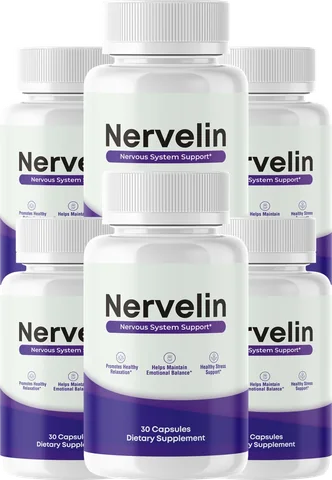
A phone-free first hour means keeping your screen out of reach from the moment you wake until you have had water, light, movement and a few quiet minutes. Charge the phone across the room, replace the alarm with a cheap clock, and anchor the hour to a short checklist. A daily capsule like Nervelin™ can be one of those anchors.
Why the first hour deserves protection · Set the stage the night before · A sample hour, minute by minute · Where Nervelin fits in · Keep it going when life interrupts
- Move the charger out of arm's reach so the phone is no longer the first thing you touch.
- Give the hour a short checklist: water, light, movement, quiet, breakfast.
- Start with 20 minutes and add five each week until you reach a full hour.
- Pair your morning capsule with the same glass of water every day.
Why the first hour deserves protection
Most of us reach for the phone before our feet touch the floor. Within seconds we are reading headlines, other people's messages and a pile of small demands, and the day starts on someone else's schedule. The first hour is the only part of the day that is entirely yours, which makes it worth guarding.
A phone-free hour is not about willpower or a weekend away from screens. It is a design problem. If the phone sits on the nightstand, you will pick it up. If it sits across the room, you will not, and the hour belongs to you before you have made a single decision.
Set the stage the night before
Success is mostly decided at 10 p.m. Pick a charging spot outside arm's reach, ideally in the kitchen or hallway, and put the cable there. Buy a basic alarm clock for around ten dollars so the phone no longer has a reason to be near your pillow.
Then lay out the morning in advance. A filled water bottle on the counter, shoes by the door and your capsule bottle next to a clean glass remove small choices that tend to send people back to the screen.
- Charger in another room, alarm on a simple clock
- Water glass and bottle placed on the counter
- Walking shoes or stretching mat in view
- Breakfast ingredients grouped on one shelf
Ready to start your routine?
Nervelin: a once-daily capsule, one a day with a full glass of water, with a 60-day money-back guarantee.
Order Nervelin NowA sample hour, minute by minute
Here is a structure you can copy and bend to fit your life. Minutes zero to five: drink a full glass of water and open the curtains. Five to twenty: move. That can be a walk around the block, a few stretches or a short bodyweight circuit. Twenty to thirty: take your morning capsule with water and make breakfast.
Thirty to forty-five: sit somewhere quiet with a hot drink and do nothing in particular, or write three lines in a paper journal. Forty-five to sixty: shower, dress and look at the day's plan on paper. When the hour ends, you pick up the phone on purpose rather than by reflex.
Where Nervelin fits in
Nervelin is a once-daily plant-based capsule, and the brand's directions are simple: one capsule with a full glass of water, ideally in the morning, at the same time each day. That makes it an easy habit to stack onto the water you are already drinking in minute zero. You can read how it is described on the product overview page.
The label reads Nervous System Support and lists three statements, stated by the brand: promotes healthy relaxation, helps maintain emotional balance and healthy stress support. It is also non-stimulant with no caffeine, so it sits comfortably beside coffee or tea instead of competing with it. Think of it as one small, repeatable step in the morning routine, not the whole routine.
Keep it going when life interrupts
Travel, early meetings and sick kids will break the pattern sometimes. Keep a shortened version ready: two minutes of light, one glass of water, one slow breath count, then phone. A five-minute hour still counts because it preserves the order of events.
Track it simply with a calendar and a pen. Mark each day you kept the phone away for the planned window. After three weeks, most people find the checklist feels automatic. If you want a deeper look at how daily habits stack, the daily-use overview explains the idea of consistency, and the CDC's physical activity basics page is a good guide for the movement step.